

Ghost of Yōtei on AnyPS5
Shows the logos, first-boot pop-ups and the opening cutscene on a patched Windows build, but at roughly one frame every few seconds to minutes; nowhere near playable.
Reached on Windows by one contributor's private testing branch (current main plus about 20 unmerged pull requests, as of 2026-10-08); plain main alone stops long before any picture.
Running it and it stopped on an error? Check the error against every report and fix for this game.
Screenshots
Posted by testers in the project's threads; the date links to the post. Click to enlarge.







Where it stands
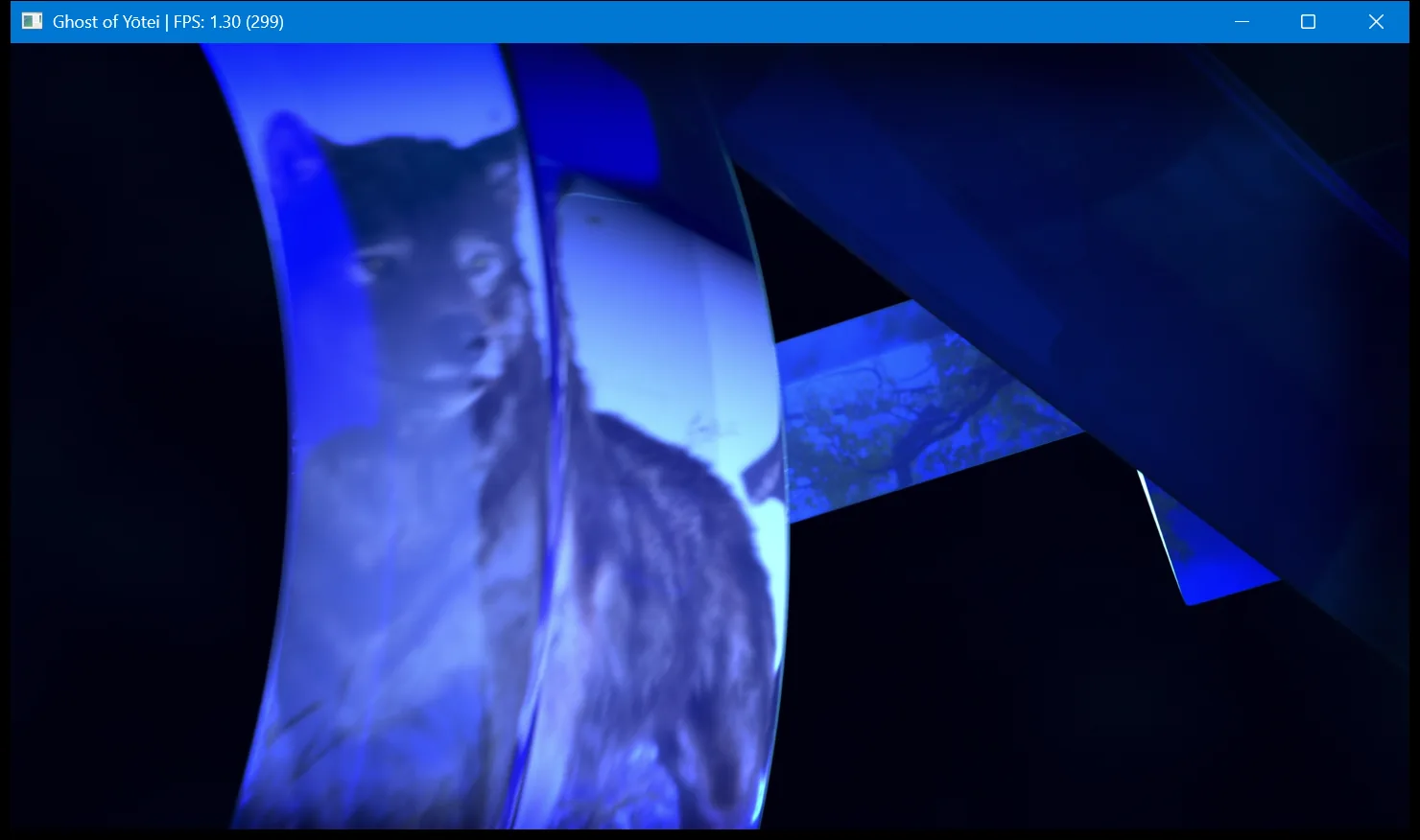
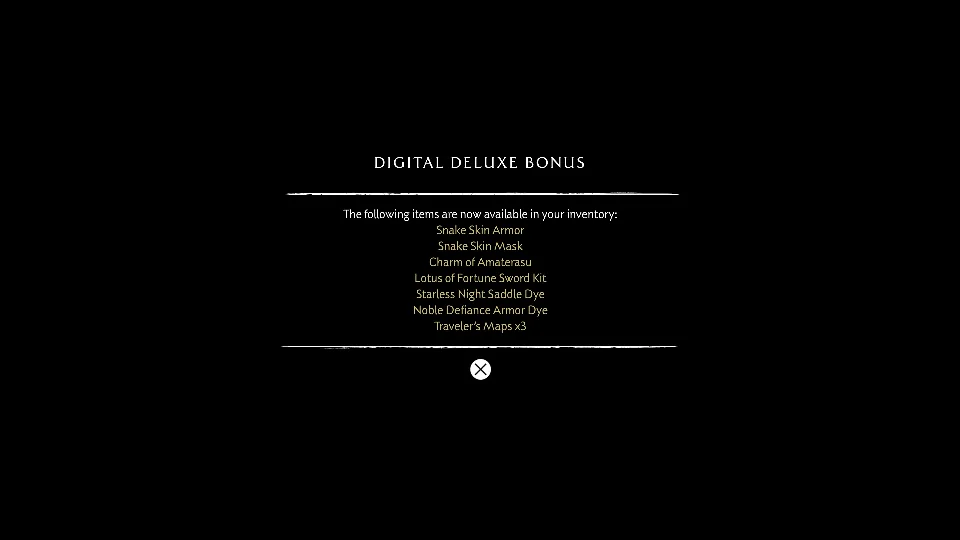
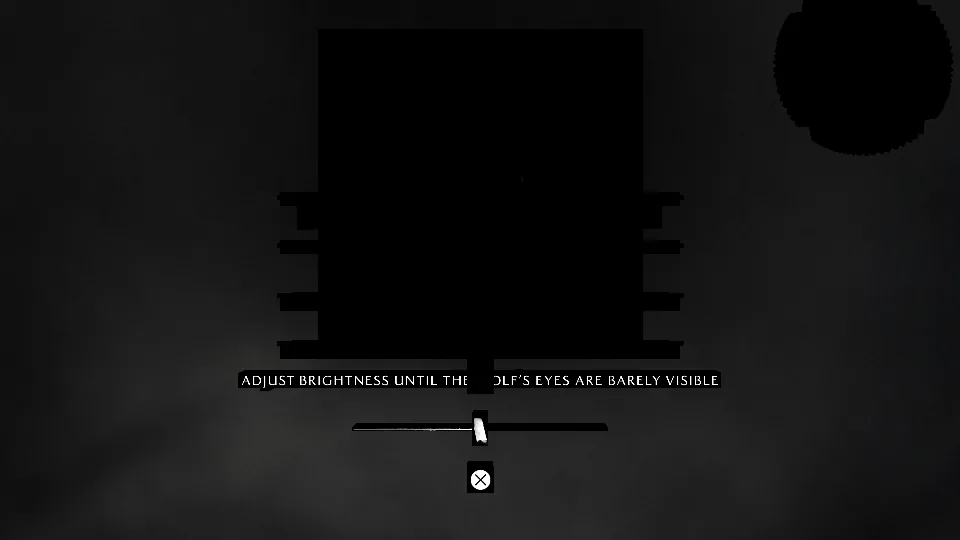
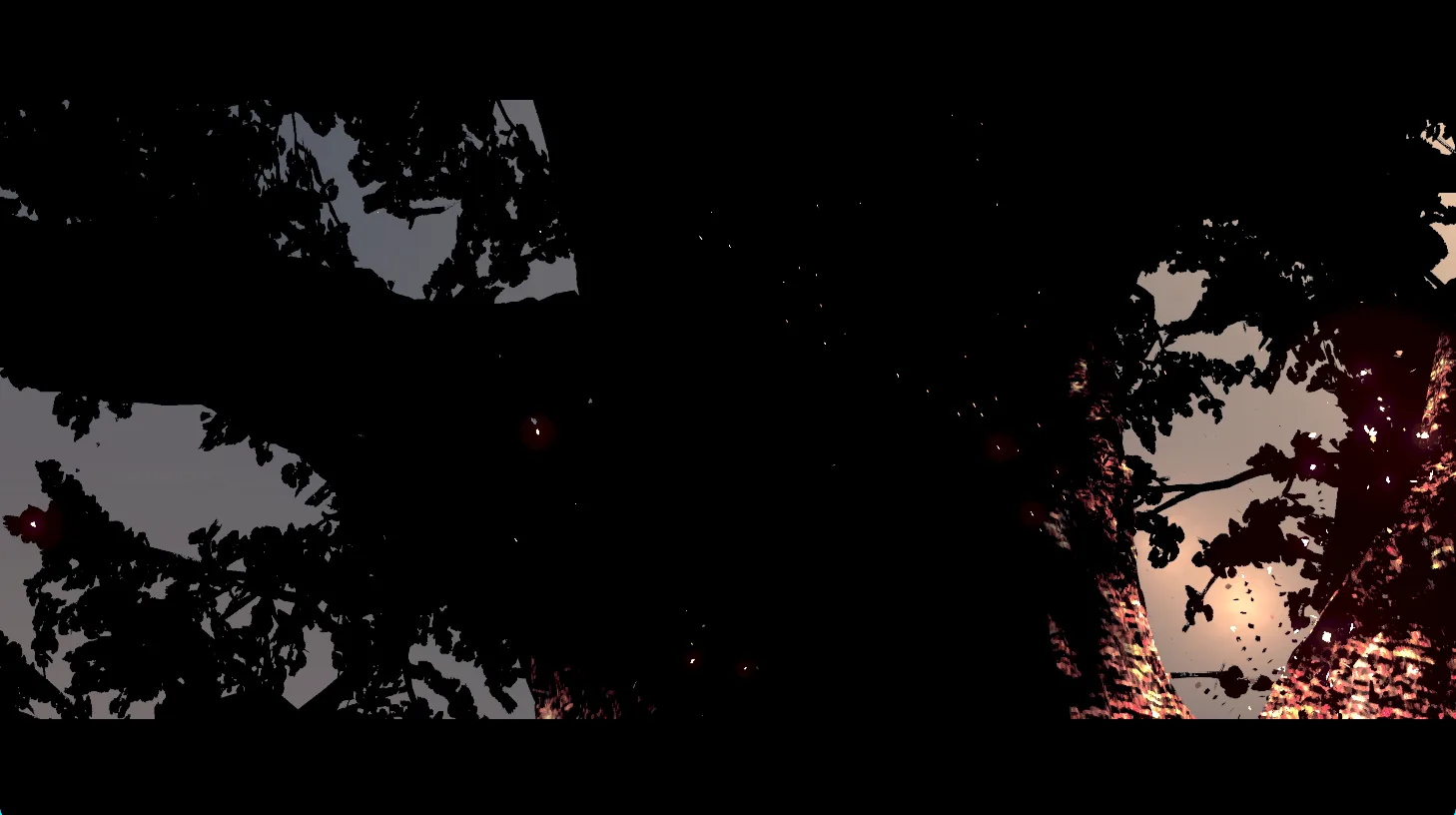
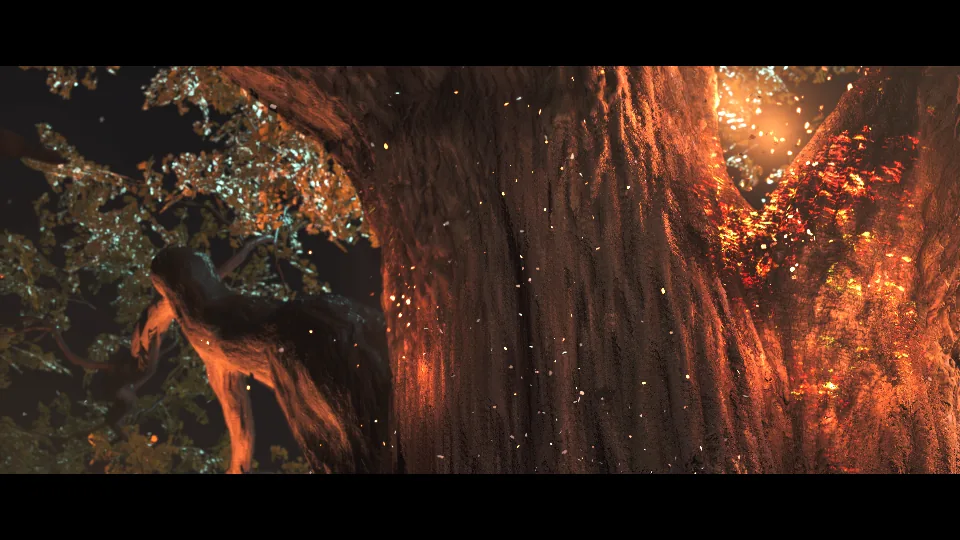
The game starts. All its system imports now resolve, it opens its data files, creates the graphics device and the 7.1.4 audio setup, and starts rendering. On one contributor's Windows PC (RTX 3080 laptop) it has shown the Sony and PlayStation Studios logos, the Sucker Punch logo, three first-boot pop-ups, the screen-brightness calibration screen, and the first frames of the opening cutscene (a night-time tree canopy with a burning trunk and drifting embers). That last stage is not gameplay.
It is extremely slow. The logos ran at about 1 frame per second at first, and about 5 fps after one speed fix. In the 3D world the same contributor measured about 3.4 frames per minute, meaning one frame every 17 to 18 seconds. The contributor also says the world frames only showed up after many minutes of loading.
Almost all of this was done on a private testing branch that stacks many pull requests that are not merged yet. On plain current main the game stops much earlier. A big step on 2026-10-10 was a fix that lets main get past shaders the game registers in an unusual way, but main alone still hits the graphics wall described below (the game wants to pick textures from a table at run time, and main cannot do that yet; the fix is an open pull request).
Other people are trying to reproduce it. On Linux (NVIDIA RTX 3080 Ti) it gets as far as creating a window and a black screen, then eats 15 to 25 GB of RAM plus a lot of swap and gets killed on a 32 GB machine. On a Windows RTX 4090 PC with 32 GB, a testing branch reached about 6,800 data-file reads at 47 minutes into the loading screen without a pop-up yet, and the process had used about 54 GB of commit memory. The tested game version is 1.008; a newer 2.002.000 update needs one more system function that is still only a stub.
| Windows | Furthest: logos, pop-ups, brightness screen and opening cutscene on a patched testing branch; extremely slow and needs far more memory than most PCs have. |
|---|---|
| Linux | Reaches a window and swapchain with a black screen; killed by running out of memory on 32 GB machines; on the software renderer llvmpipe it stops at a dispatch size limit. Not past the loading phase. |
| macOS | No test report yet |
What is stopping it
- The game picks textures from a table using an index it reads from another table inside a loop; plain main cannot do this and stops about 26 seconds in. Pull request #757 (image tables) reportedly clears it but is still open and needs rebasing. Thread
- Over 100 shaders call another piece of code through a pointer that is only known at run time. They are now postponed so the game does not crash at start, but the call itself is not implemented, so any of them that is actually used will still fail. Thread
- The game uses a graphics instruction (opcode 0xE5) that nobody has identified; shaders using it are postponed and cannot run. Thread
- Memory: on Linux the run grows to 15 to 25 GB of RAM plus 20 GB or more of swap and is killed on a 32 GB PC; on Windows one tester measured about 54 GB of committed memory, largely from keeping every compiled shader in memory. Thread
- A single graphics job asks for about 129,000 work groups, more than the software renderer llvmpipe allows, so the game cannot get past this on that device. Thread
- Speed: the 3D world renders at roughly one frame every 17 seconds on the best-known setup, and the game has at least 7 tessellation shader programs, whose support (pull request #1491) is not merged. Thread
- Version 2.002.000 of the game calls sceVideoOutGetOutputStatusWithVrr, which is only a stub that throws an error, because the output format is not known. Thread
How it got here
- The first bring-up thread is opened: after about 26 small fixes the game resolves its imports, starts its threads, creates its graphics device and submits its first frame, then stops in a compute pass. No picture yet. Source
- First frames presented, but black at about 1 frame per second. The cause turned out to be how the screen's compression data was handled. Source
- With the compression fix on a testing branch, the Sony splash, the PlayStation Studios intro and the Sucker Punch logo play in order. Source
- Speed rises from about 1.3 to 5.6 fps in the intro and a graphics hang is fixed. The first real game UI appears: the Digital Deluxe Bonus pop-up. Source
- Scripted button presses get through all three first-boot pop-ups to the brightness calibration screen; after confirming it the screen goes black and the run ends. Source
- First frames of the 3D world: the opening cutscene (tree canopy at night, fire, embers), one frame every one to seven minutes at first; later the same day it is lit properly and runs at about 3.4 frames per minute. Source
- A regression on plain main is reported: a compute shader that calls code through a pointer stops the game at startup. Source
- Pull request #1836 is merged: shaders that cannot be prepared are postponed until they are used, so the game no longer crashes at that point on main. A pull request that decodes the unsupported operand codes 235 to 238 is also merged. Source
- On Linux the game reaches a created swapchain on both an NVIDIA GPU and the llvmpipe software renderer, but runs out of memory or hits a device limit. Source
- The graphics wall at the texture table is confirmed on main (about 26 seconds in) and described in detail; a tester on a Windows RTX 4090 says a testing branch already gets past it. Source
Tested hardware
| PC | Result | |
|---|---|---|
| Windows 11 Pro / Intel Core i9-11900H / NVIDIA RTX 3080 Laptop 16 GB / 32 GB RAM (testing branch) | About 1 fps in the logos at first, about 5 fps after speed fixes; opening cutscene in the 3D world at about 3.4 frames per minute. Not playable. | Report |
| Windows 11 Pro / Intel i9-13900K / NVIDIA RTX 4090 / 32 GB RAM (testing branch) | Boots to the Sony presents card; on the latest branch reached about 6,840 data-file reads in about 47 minutes of the title-scene load with no pop-up yet; committed memory peaked at about 54 GB on a main-like build. | Report |
| Linux / NVIDIA RTX 3080 Ti / 31 GB RAM + 31 GB swap | Creates a window and swapchain (black); killed by systemd-oomd with 24 to 25 GB RAM and 21 GB swap in use. | Report |
| Linux / llvmpipe (software Vulkan, LLVM 23.1.1) | Reaches a swapchain, then stops: a compute dispatch (129199x1x1) exceeds the device's work group limit. | Report |
| Linux (CachyOS) / AMD RX 9070 XT, RADV | Stops about 26 seconds in on the texture-table shader on plain main; with image-table pull requests applied it gets past that and stops on the next shader. | Report |
| Linux (Fedora 44) / AMD Ryzen 7 7800X3D / NVIDIA RTX 5070, game version 02.002.000 | Creates a window and swapchain and detects the controller, then stops on the missing sceVideoOutGetOutputStatusWithVrr function. | Report |